Healthy Crockpot Vegetable Curry
Highlighted under: Healthy Home Classics
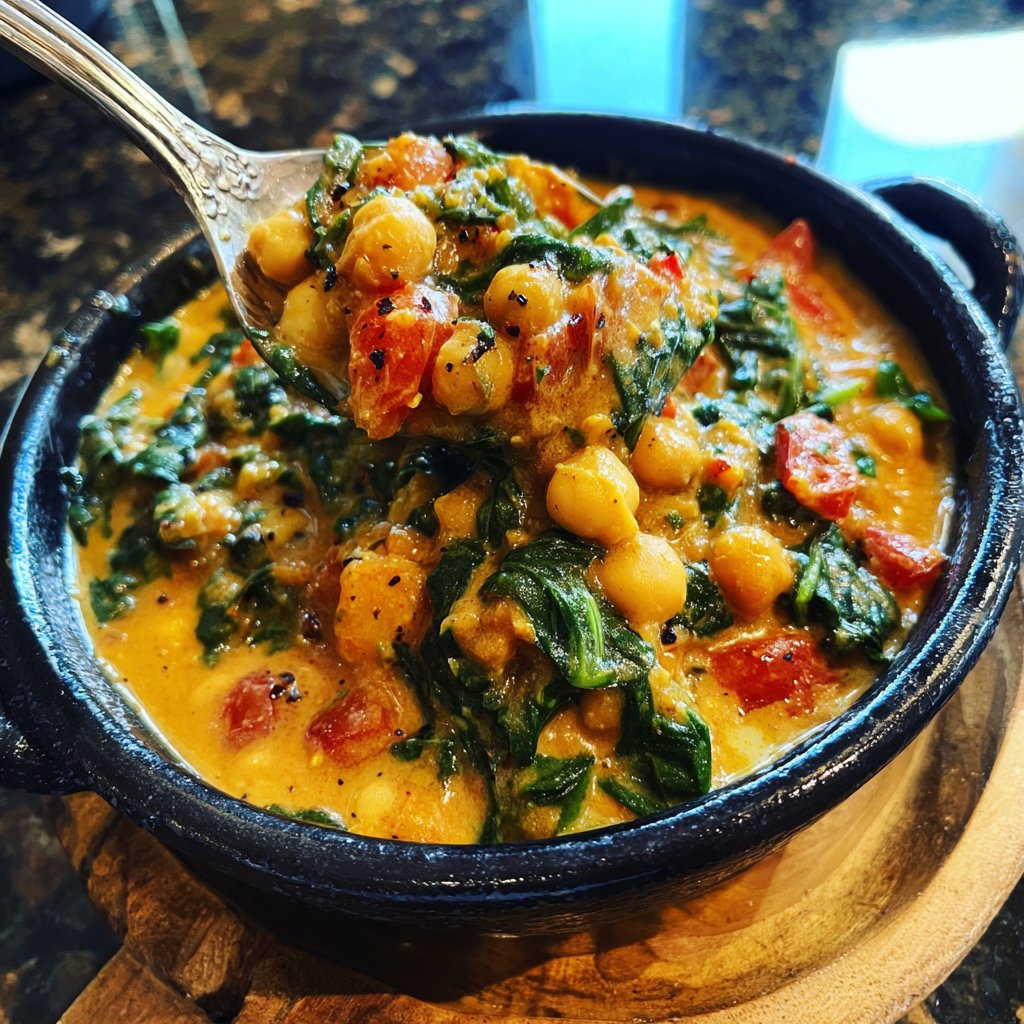
I love preparing this Healthy Crockpot Vegetable Curry on busy days when I want something hearty yet nutritious. The slow cooker makes the flavors blend beautifully, and I can easily throw in whatever vegetables I have on hand. It’s a guilt-free dish that offers an array of colors and textures, and it always feels satisfying to warm up with a bowl of it at the end of the day. Plus, the delightful aroma wafting through the house while it cooks is simply divine!
When I first tried making a vegetable curry in my crockpot, I was amazed at how easy it was. I mixed chopped vegetables with a blend of spices, coconut milk, and chickpeas, letting them simmer together slowly. This method truly enhances the flavors, making each bite comforting and satisfying. I learned that it's important to choose vegetables that cook well together, like carrots, zucchini, and bell peppers, to maintain their texture!
Another tip I discovered is to adjust the curry paste based on your spice tolerance. I love a bit of heat, so I usually add extra curry paste at the start. Serving it with brown rice or quinoa makes it a wholesome meal that I can enjoy throughout the week!
Why You'll Love This Recipe
- Packed with fresh vegetables and nutrients
- Versatile – use any veggies you have available
- Low maintenance and perfect for meal prep
Ingredient Insights
The selection of vegetables in this curry can greatly influence both its flavor profile and texture. Carrots provide a sweet note and a crunchy texture, while zucchini adds a tender, almost creamy quality when cooked. Cauliflower acts as a great absorbent, soaking up the spice and coconut milk's flavors. Feel free to mix in other vegetables like spinach or bell peppers, which will contribute unique tastes and vibrant colors, making each batch of curry a bit different.
Canned chickpeas serve not only as a protein source but also offer a creamy texture that complements the coconut milk. They hold their shape well during the slow cooking process, providing heartiness to each bowl. If you'd like alternatives, white beans or lentils can be excellent substitutes, though be mindful to adjust cooking times as they may require different lengths to reach that tender state.
Cooking Tips for Perfect Curry
To get the best out of your curry paste, consider lightly sautéing it in a pan before adding it to the crockpot. This technique helps to bloom the spices, bringing out their aromatic qualities, although it's not essential for slow cooking. Additionally, if you prefer a milder flavor, you can reduce the amount of curry paste or choose a milder blend, allowing the natural sweetness of the vegetables to shine through.
During the last hour of cooking, check the consistency of your curry. If it appears too liquid, you can add a cornstarch slurry (1 tablespoon of cornstarch mixed with 2 tablespoons of cold water) to thicken it. Stir gently until the curry achieves your desired thickness. Keep in mind that flavors intensify as it cooks, so tasting and adjusting seasoning with more soy sauce or a pinch of salt can really elevate the dish.
Ingredients
Gather the following ingredients to create this delicious curry:
Vegetables and Beans
- 2 cups chopped carrots
- 2 cups chopped zucchini
- 1 cup diced bell peppers
- 1 cup canned chickpeas, drained and rinsed
- 1 cup chopped cauliflower
Spices and Sauces
- 2 tablespoons curry paste
- 1 can (400 ml) coconut milk
- 1 cup vegetable broth
- 1 tablespoon soy sauce
- 2 cloves garlic, minced
- 1 tablespoon ginger, minced
Make sure to adjust the spices based on your flavor preference!
Instructions
Follow these simple steps to make your vegetable curry:
Prepare the Vegetables
Chop all the vegetables into bite-sized pieces and set aside.
Combine Ingredients in the Crockpot
In the crockpot, combine the chopped vegetables, drained chickpeas, curry paste, coconut milk, vegetable broth, soy sauce, garlic, and ginger.
Cook on Low
Set the crockpot to low and cook for 4 hours, allowing the flavors to meld together beautifully.
Serve and Enjoy
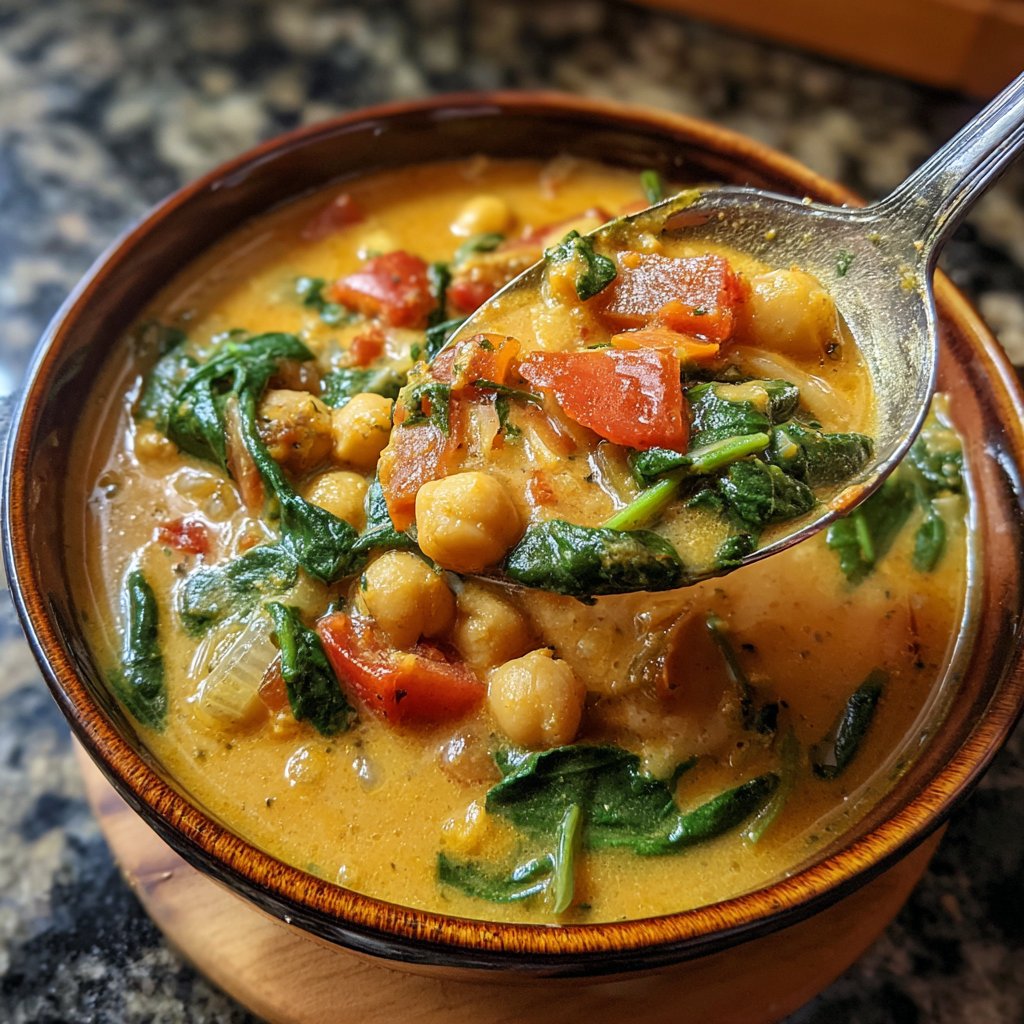
Once done, stir the curry and serve it hot, optionally over rice or quinoa.
Enjoy your healthy and flavorful curry!
Pro Tips
- Feel free to experiment with different vegetables and adjust the spices to your taste. Adding a squeeze of lime before serving can elevate the flavors even more!
Serving Suggestions
This slow-cooked vegetable curry is incredibly versatile and can be served in various ways. While it's delightful on its own, spooning it over a fluffy bed of rice or quinoa adds a satisfying grain component. For a low-carb alternative, serve it alongside cauliflower rice or a green salad to keep the meal light yet filling.
For an extra layer of flavor, consider garnishing each serving with fresh herbs like cilantro or basil. A squeeze of lime juice just before serving can also brighten the flavors, enhancing the dish's overall experience. I like to offer some naan or crusty bread on the side, perfect for scooping up every last drop!
Storage and Reheating
This curry stores incredibly well, so it's perfect for meal prep. Allow the dish to cool completely before transferring it to an airtight container. It will last in the refrigerator for up to four days or can be frozen for up to three months. When you're ready to enjoy it again, simply thaw it overnight in the fridge and reheat on a stovetop or in the microwave until piping hot.
When reheating, you may find that some water has separated out. Stirring it while heating can help in redistributing those flavors. If it seems too thick after cooling, a splash of vegetable broth or coconut milk can restore its creamy texture. Adjust seasonings as needed, as flavors may mellow during storage.
Questions About Recipes
→ Can I freeze this curry?
Yes, you can freeze the curry for up to three months. Just make sure it's in an airtight container.
→ What can I serve with this curry?
It's great with rice, quinoa, or even naan bread on the side for a complete meal.
→ Can I add meat to this recipe?
Absolutely! You can add chicken or tofu to make it more filling.
→ How can I make this curry spicier?
You can increase the amount of curry paste or add fresh chilies to your liking.
Healthy Crockpot Vegetable Curry
Created by: Poppy Walsh
Recipe Type: Healthy Home Classics
Skill Level: Beginner
Final Quantity: 6 servings
What You'll Need
Vegetables and Beans
- 2 cups chopped carrots
- 2 cups chopped zucchini
- 1 cup diced bell peppers
- 1 cup canned chickpeas, drained and rinsed
- 1 cup chopped cauliflower
Spices and Sauces
- 2 tablespoons curry paste
- 1 can (400 ml) coconut milk
- 1 cup vegetable broth
- 1 tablespoon soy sauce
- 2 cloves garlic, minced
- 1 tablespoon ginger, minced
How-To Steps
Chop all the vegetables into bite-sized pieces and set aside.
In the crockpot, combine the chopped vegetables, drained chickpeas, curry paste, coconut milk, vegetable broth, soy sauce, garlic, and ginger.
Set the crockpot to low and cook for 4 hours, allowing the flavors to meld together beautifully.
Once done, stir the curry and serve it hot, optionally over rice or quinoa.
Extra Tips
- Feel free to experiment with different vegetables and adjust the spices to your taste. Adding a squeeze of lime before serving can elevate the flavors even more!
Nutritional Breakdown (Per Serving)
- Calories: 200 kcal
- Total Fat: 8g
- Saturated Fat: 4g
- Cholesterol: 0mg
- Sodium: 250mg
- Total Carbohydrates: 30g
- Dietary Fiber: 5g
- Sugars: 4g
- Protein: 6g